×

7 Days
Specific Tour
15 people
___
Conquer the Frozen Frontier.
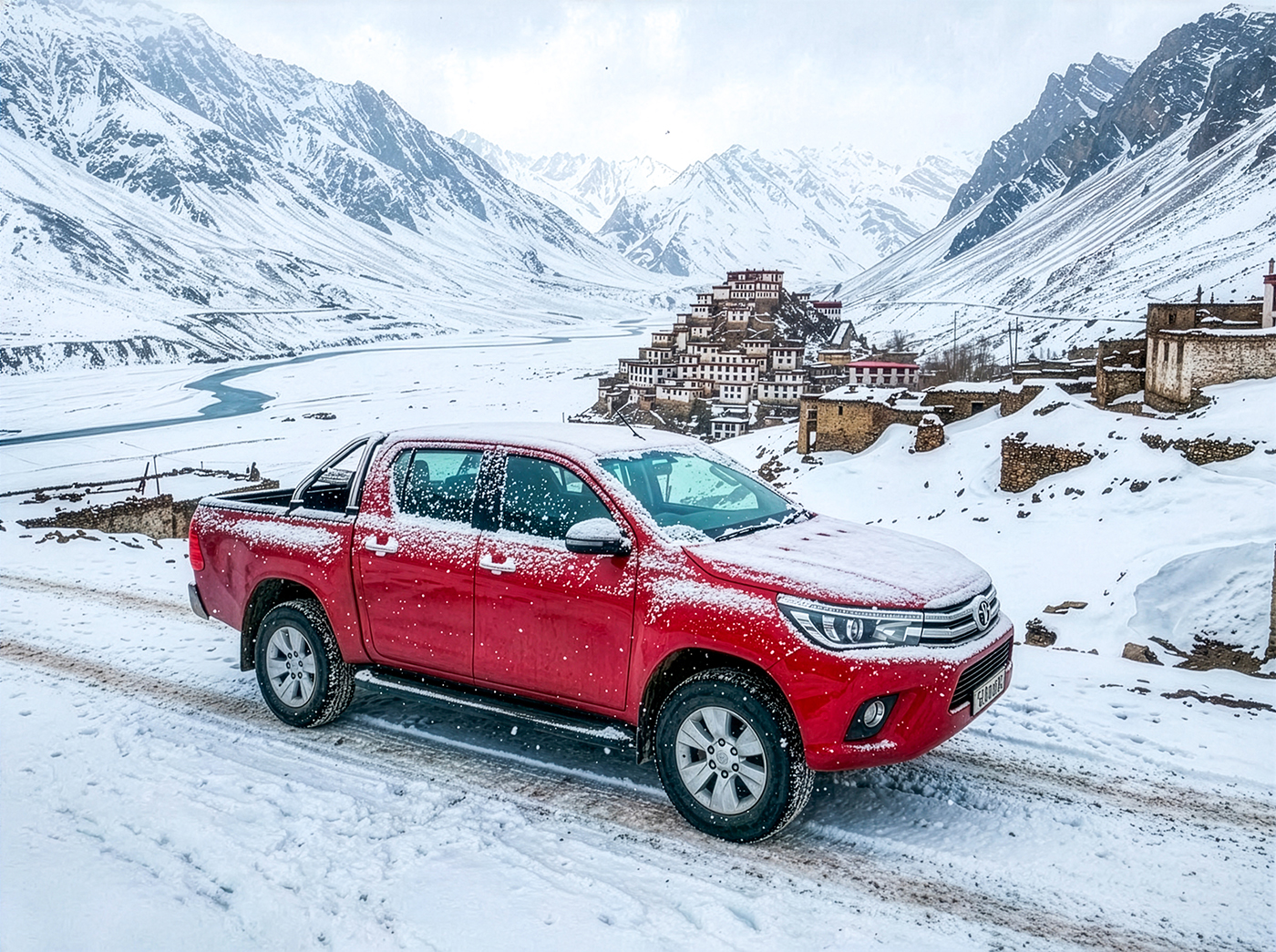
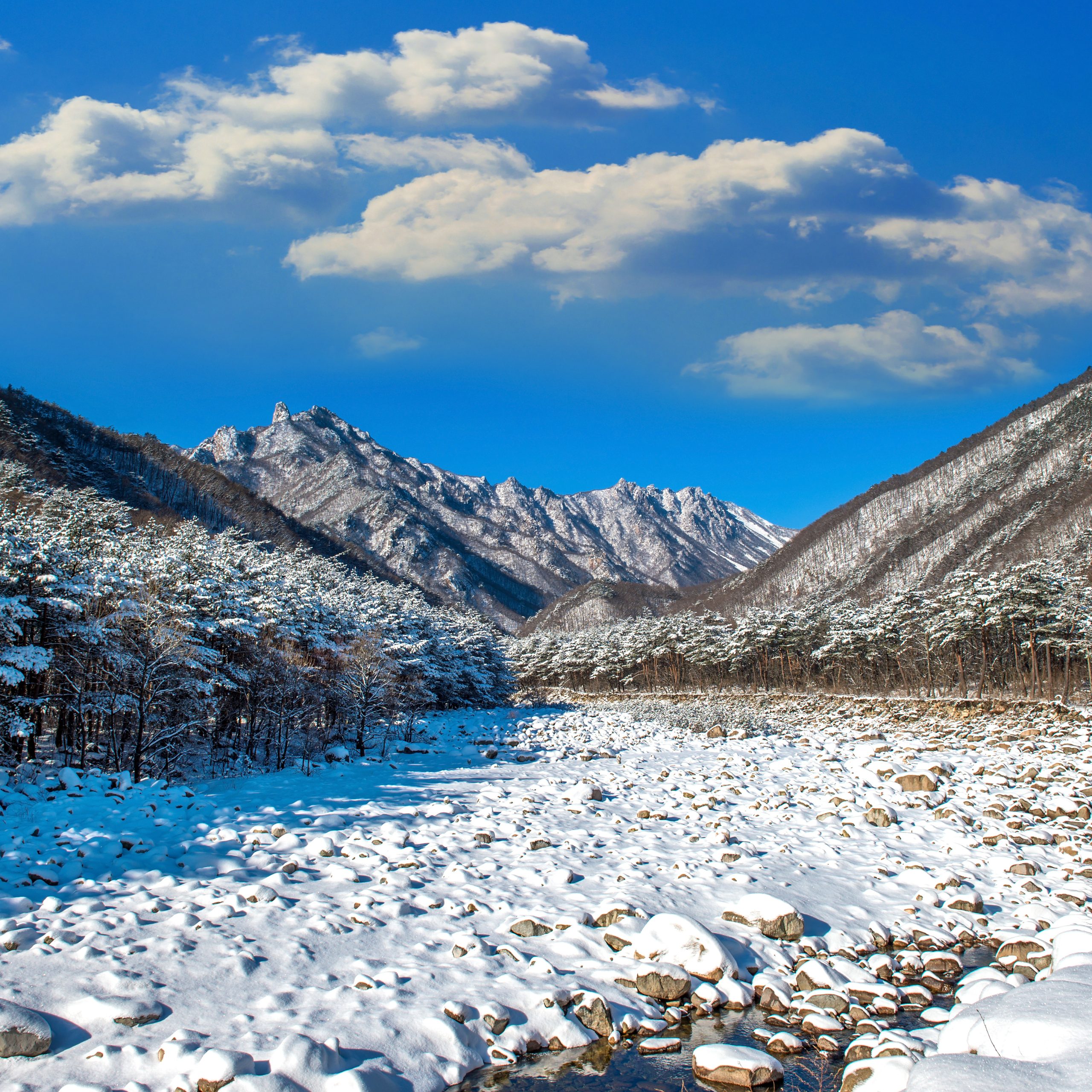
When the temperature drops to -25°C and the roads disappear under a thick blanket of snow, only the brave venture into Spiti. This isn’t a tour; it’s a 4X4 survival expedition. Experience the “Middle Land” in its rawest, most majestic form—frozen waterfalls, snow leopards, and ancient monasteries standing tall in a white desert.
⦁ Duration: 6 Nights / 7 Days
⦁ Terrain: High-Altitude Snow & Black Ice
⦁ Vehicle: Dedicated 4X4 Expedition-Ready SUVs (Jimny/Thar/ScorpioN/Fortuner)
⦁ Vibe: Hardcore Adventure | Photography | Soul-Searching
Why the 4X4 Winter Expedition?
⦁ The White Desert: Witness Spiti transformed into a surreal white paradise that few human eyes ever see.
⦁ 4X4 Capability: No ordinary cars here. We use specialized 4X4 vehicles driven by mountain experts to navigate deep snow and black ice.
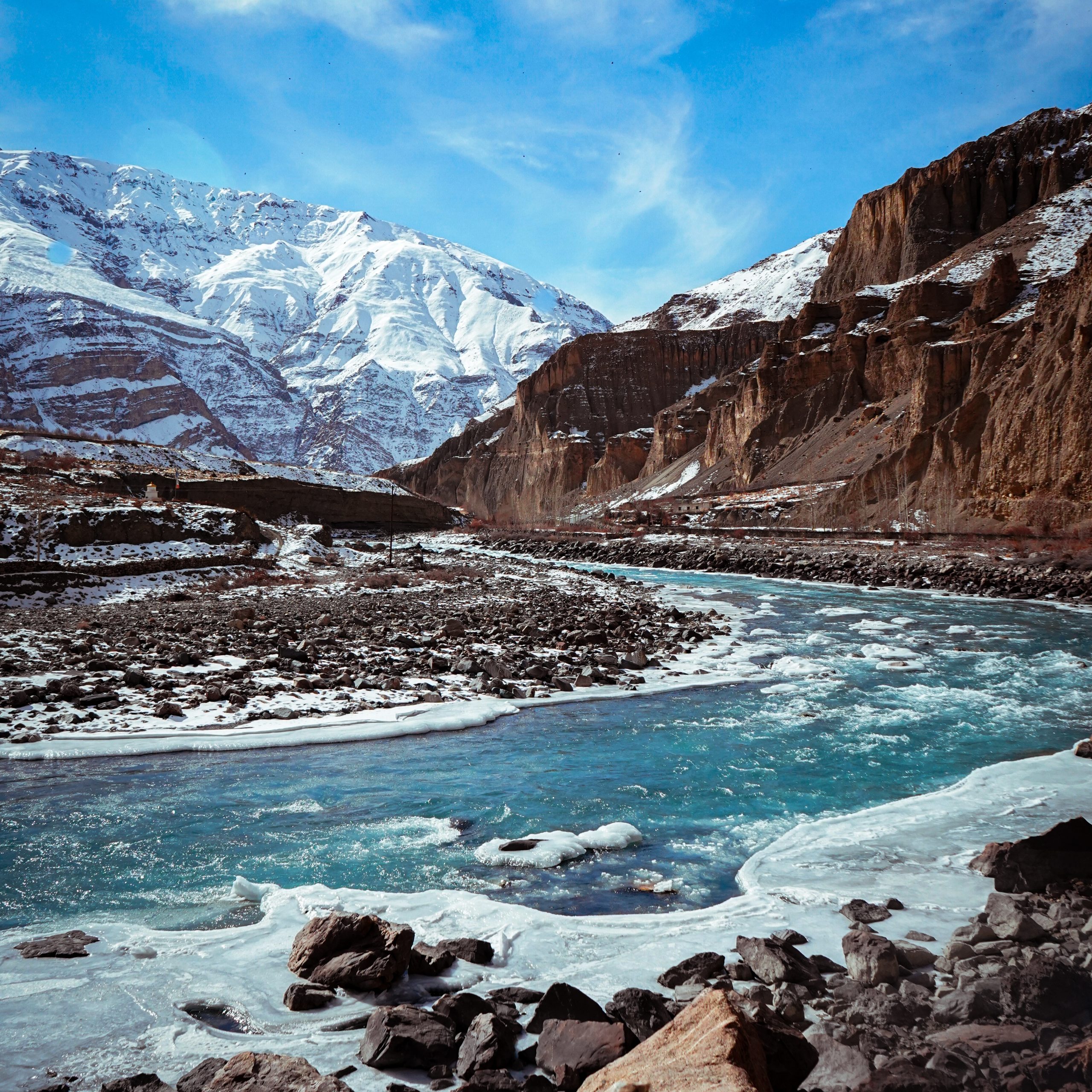
⦁ The Frozen River: Walk on parts of the frozen Spiti River and witness the blue ice formations of Chicham.
⦁ Highest Villages in the World: Reach Komic, Hikkim, and Langza when they are completely cut off from the world, accessible only by our 4X4 convoy.
⦁ Winter Homestays: Experience the legendary Spiti hospitality. Stay with local families, huddled around a Bukhari (traditional heater), sharing butter tea and stories.
Expedition Highlights
⦁ Kaza: Navigating the legendary loops of the Hindustan-Tibet road in sub-zero temperatures.
⦁ Chicham Bridge: The highest bridge in Asia, draped in icicles and surrounded by snow-covered peaks.
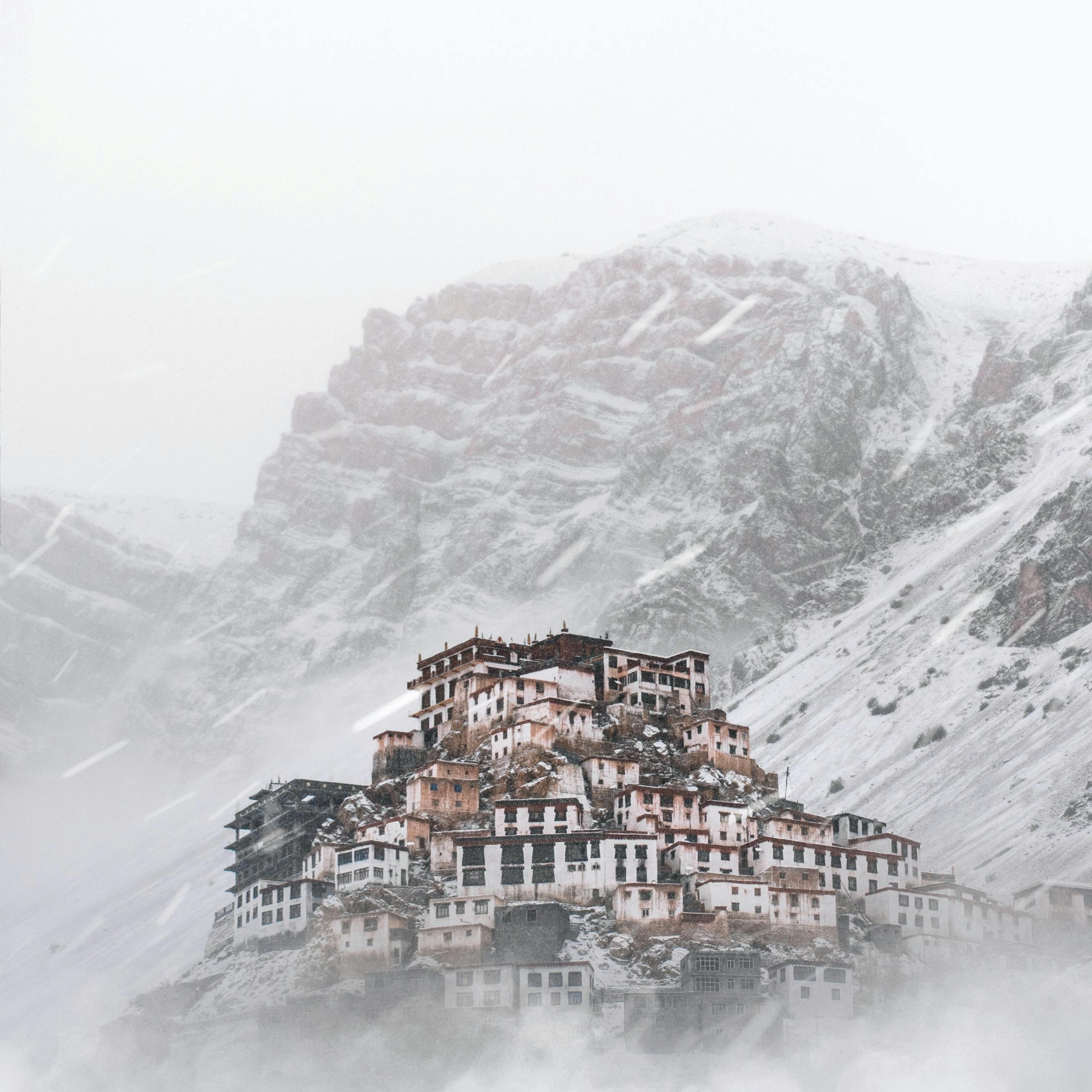
⦁ Key Monastery: A spiritual fortress rising out of the snow—the ultimate spot for winter photography.
⦁ Hikkim: Send a postcard from the Highest Post Office in the World while it’s surrounded by 5 feet of snow.
⦁ Wildlife Spotting: Winter is the best time to spot the elusive Snow Leopard and Blue Sheep near Kibber.
The Awara Banjara Survival Kit (Included)
⦁ Expedition Vehicles: 4X4 vehicles with experienced snow-drivers.
⦁ Oxygen & Medical Support: Portable oxygen cylinders and oximeters for high-altitude safety.
⦁ Winter Gear Guidance: Detailed briefing on how to layer for -30°C.
⦁ Banjara Captains: Expert leads who specialize in winter survival and photography.
Who Should Join This?
This expedition is for the true nomad. You should join if you:
⦁ Can handle extreme cold and basic mountain living.
⦁ Love off-roading and technical driving.
⦁ Are looking for the most “Instagrammable” yet challenging landscape on Earth.
“Spiti in winter isn’t a place you visit. It’s a place you survive, and in doing so, you find a piece of yourself you never knew existed.”
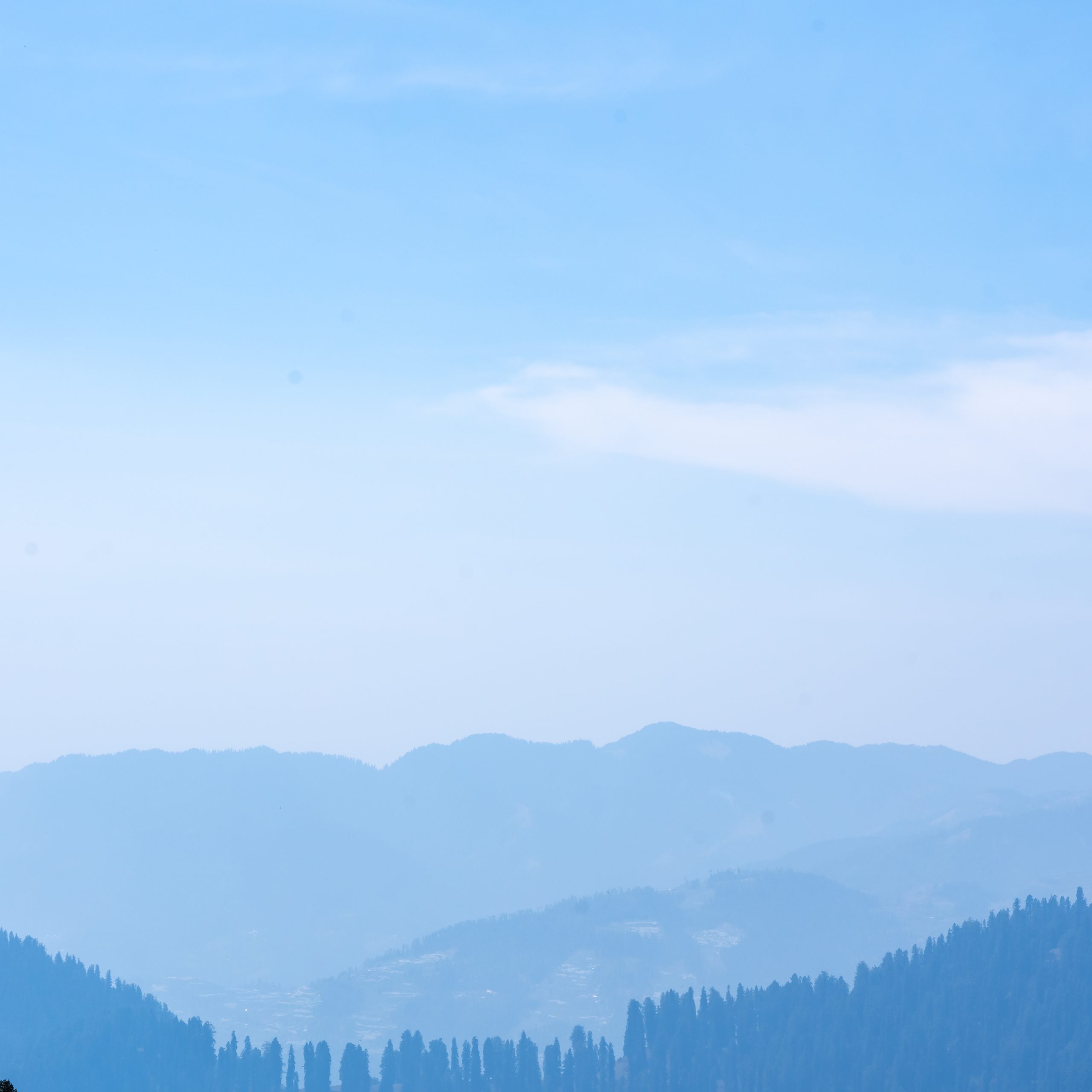
Evening Departure Comfortable Volvo Ride Night Under the Stars The pick point would be RK Asham or Majnu Ka Tila (tentative). Begin your journey as the city lights fade and the mountains call. Board a comfortable Volvo bus from Delhi in the evening and settle in for an overnight ride through winding roads, cozy playlists, and dreamy starlit skies. Wake up to the crisp air of the Himalayas!
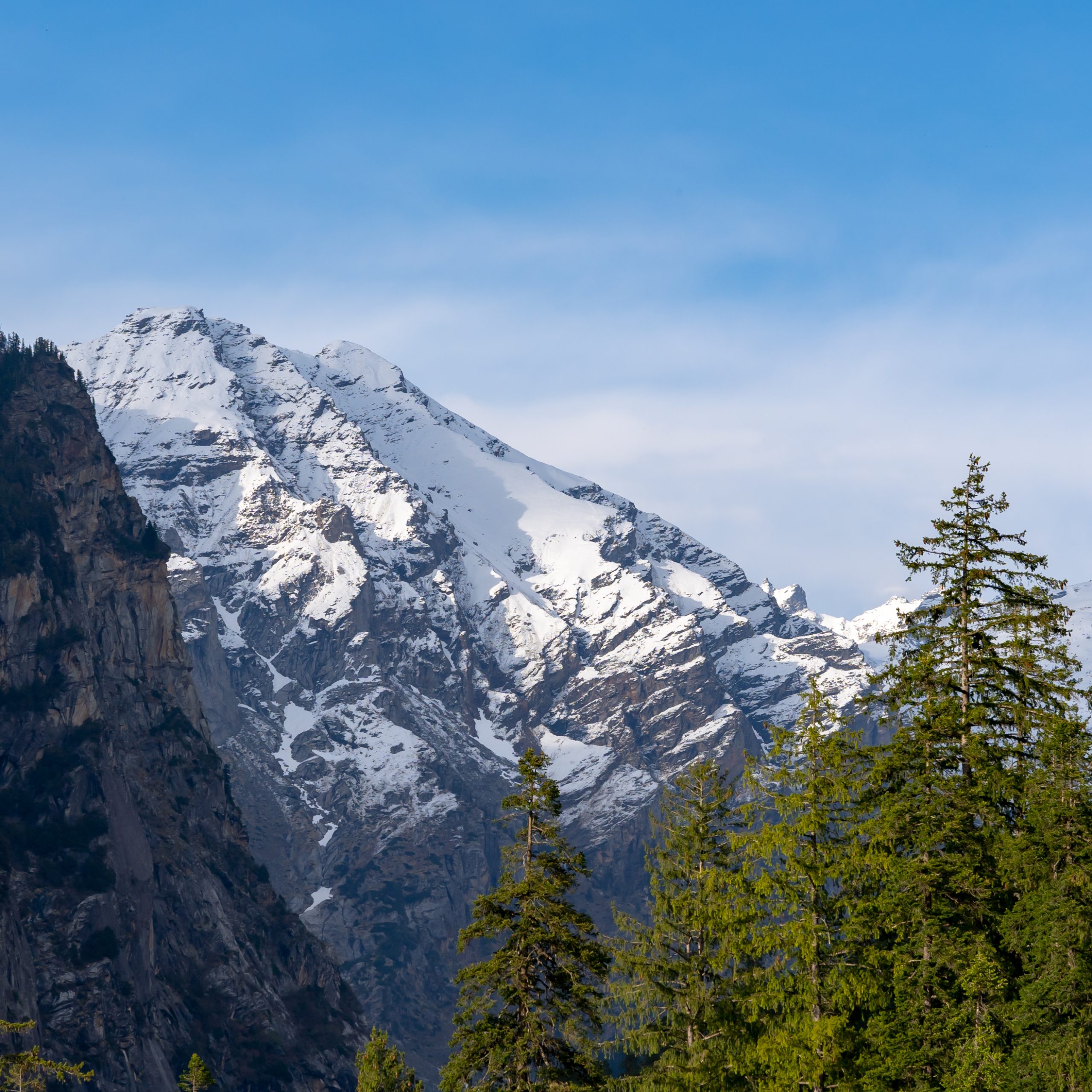
Early morning, we’ll arrive in SHIMLA. We’ll be changing our transportation from bus to 4 Wheeler at this point and will head out for CHITKUL/SANGLA. We’ll reach CHITKUL/SANGLA by evening. Finally, we’ll end the day with some group bonding exercises followed by dinner. Overnight stay in CHITKUL/SANGLA.
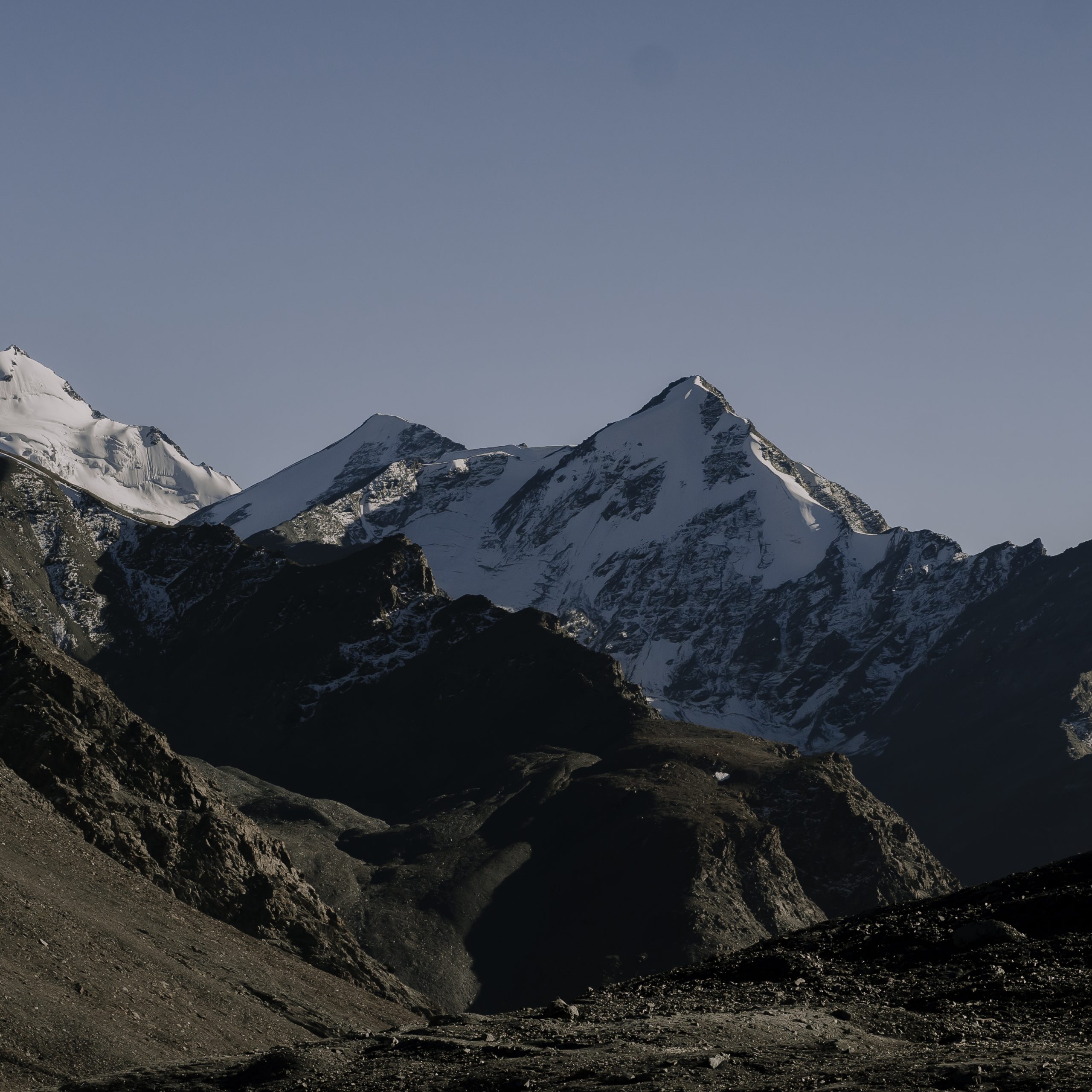
Breakfast will be served in the morning. Post breakfast, we’ll leave for NAKO. Midway, we’ll make a stoppage at SANGLA town. Additionally, if the weather is clear then you might catch a glimpse of KINNER KAILASH PEAK. Next Stop, we’ll be making a stoppage at KHAB (Confluence of Sutlej and Spiti river). On arriving at NAKO, we’ll head out for NAKO LAKE and the NAKO MONASTERY. Post-check-in, dinner will be served followed by an overnight stay in NAKO.
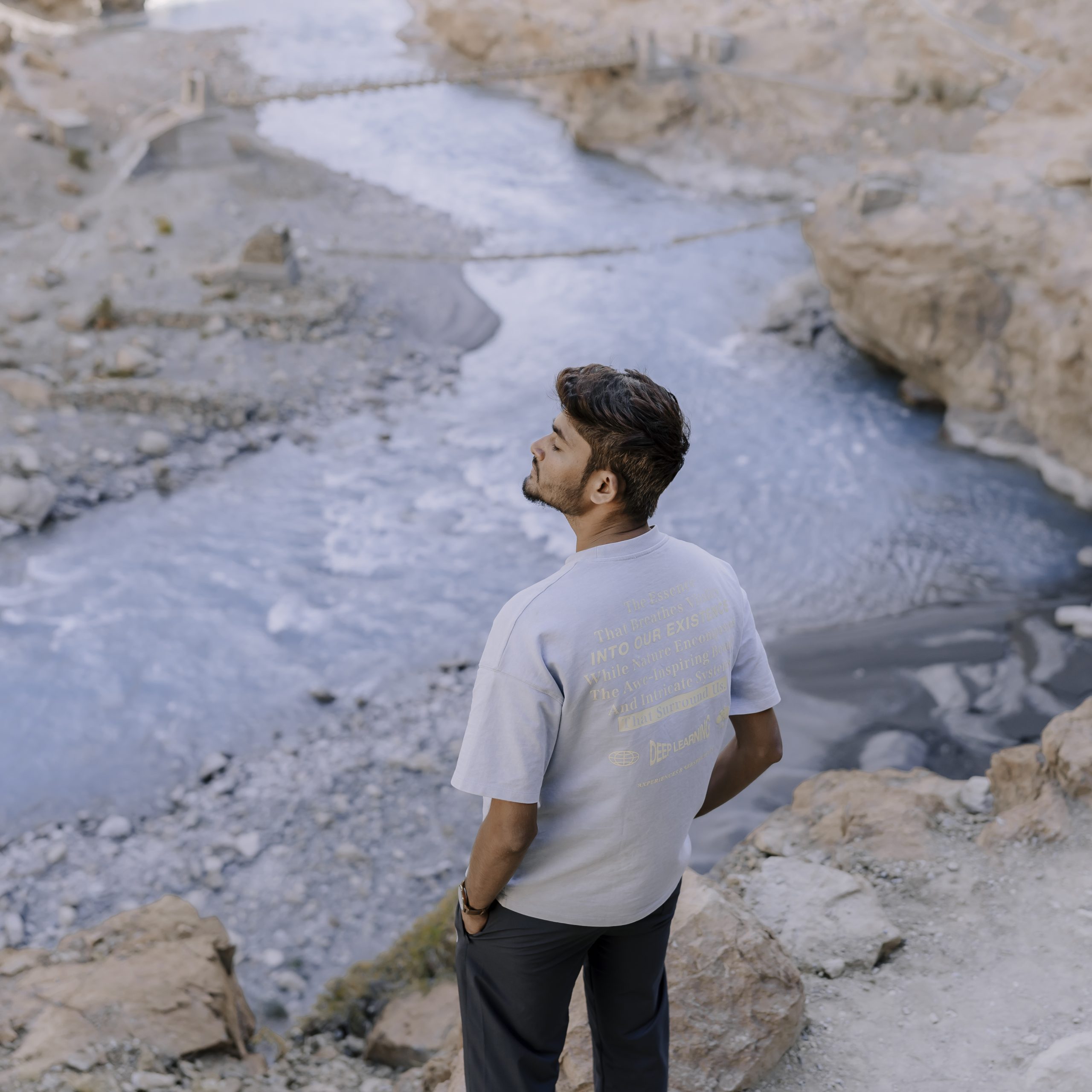
Breakfast will be served in the morning. After which, we’ll start our journey towards the headquarters of SPITI, KAZA. Midway, we’ll make a stoppage at 1000-year-old Dankar Monastery followed by *GUE MONASTERY. We’ll reach KAZA before evening. Post-check-in, you’re free to explore the town and the rest of the day is at leisure. Dinner will be served in the evening followed by an overnight stay in KAZA.
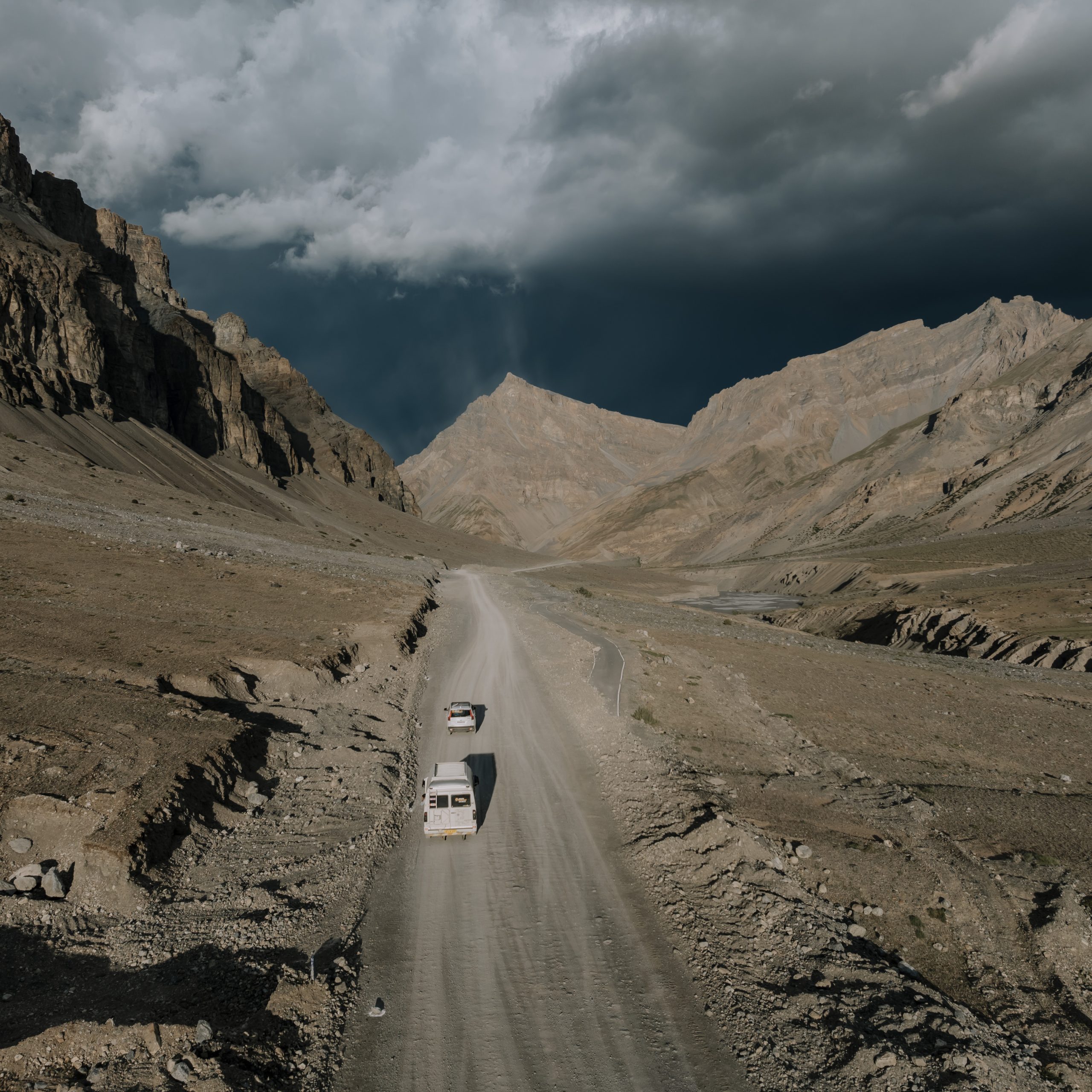
Post breakfast, we’ll head out for KEY MONASTERY followed by CHICHAM BRIDGE (Asia’s highest bridge). Later in the day, we will visit HIKKIM (the highest post office in the world). After that, we’ll move towards KOMIC VILLAGE (one of the highest villages in the world at 4600 meters connected by a motorable road ). We’ll be visiting LANGZA next (the most beautiful village in spiti valley and has the famous Buddha statue and also known as the Fossil village due to the presence of fossils abundance). Finally, we’ll head back to KAZA. After reaching our hotel/homestay, dinner will be served followed by an overnight stay in KAZA.
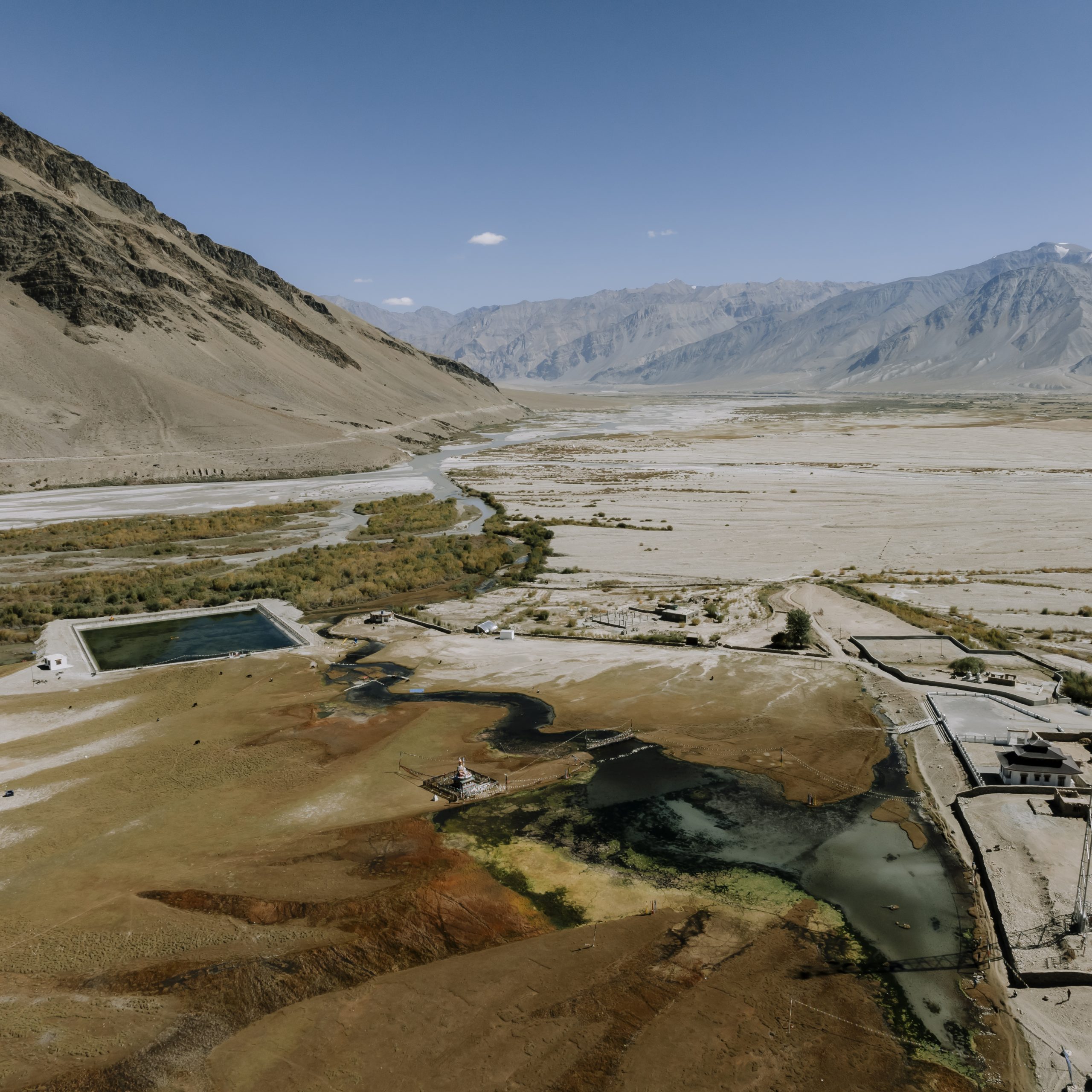
Breakfast will be served. After that, we will head back to Tabo. Midway, well be making a stoppage at LIGTI WATERFAL. Tabo Village Tabo is a quiet, high-altitude village in Spiti Valley, surrounded by barren mountains and the Spiti River. Life here moves slowly, especially in winter, with mud-brick houses, prayer flags, and warm homestays giving it a peaceful, timeless feel. Tabo Monastery Founded in 996 AD, Tabo Monastery is one of the oldest functioning Buddhist monasteries in the Himalayas and a UNESCO World Heritage Site. Famous for its ancient murals, stucco statues, and meditation caves, it is often called the “Ajanta of the Himalayas.” The monastery remains active year-round and feels especially serene under snow. Post-check-in, dinner will be served followed by an overnight stay in TABO.
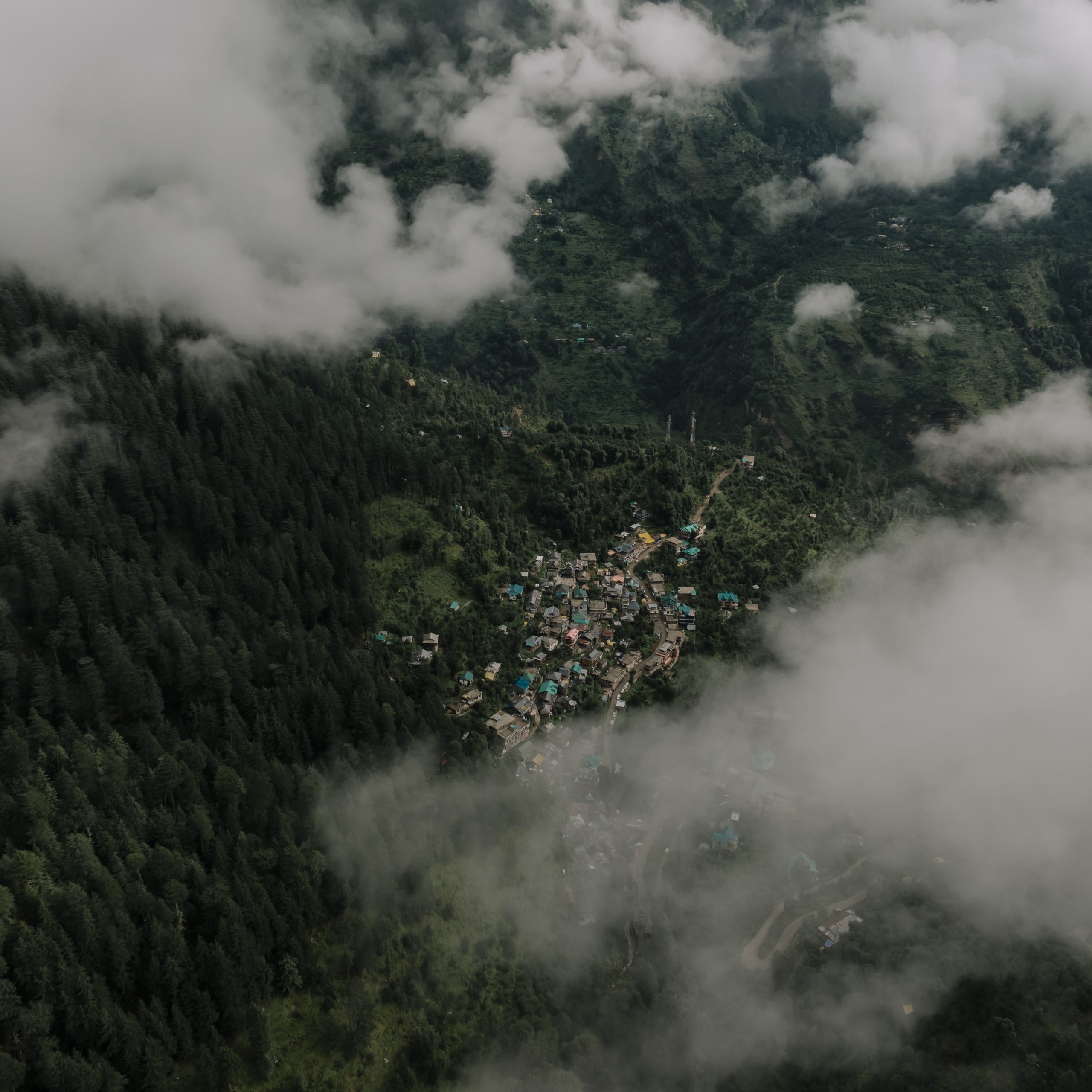
Breakfast will be served. Tabo to Kalpa The journey from Tabo to Kalpa takes you from the cold desert of Spiti to the greener valleys of Kinnaur. As you descend, the landscape changes from barren mountains to apple orchards, pine forests, and deep river gorges along the Sutlej. The drive is scenic and dramatic, with views of cliffs, rivers, and traditional Kinnauri villages, ending at Kalpa, famous for its stunning views of the Kinner Kailash range. Kalpa Village Kalpa is a beautiful Himalayan village in Kinnaur, known for its apple orchards, pine forests, and breathtaking views of the Kinner Kailash range. Calm and scenic, it offers traditional wooden houses, ancient temples, and peaceful village walks, especially magical at sunrise and sunset when the mountains glow golden. Suicide Point (near Kalpa) Suicide Point is a dramatic cliff-side viewpoint near Kalpa, offering sheer drops into deep gorges and stunning views of the Satluj valley and Kinner Kailash mountains. Known for its thrilling height and silence, it’s a popular photo stop—best enjoyed carefully and from a safe distance. Post-check-in, dinner will be served followed by an overnight stay in KALPA.
Post breakfast, we will start out for SHIMLA. Kalpa to Shimla The drive from Kalpa to Shimla marks the end of the Spiti Valley road trip, transitioning from rugged Himalayan terrain to lush forests and busy hill towns. The route follows the Sutlej River, passing apple orchards, deep valleys, and scenic villages, before reaching the colonial charm and cooler climate of Shimla—a smooth contrast to Spiti’s raw landscapes. On reaching SHIMLA, we will board on overnight bus towards DELHI.
We’ll reach DELHI early in the morning End of Winter Spiti Road Trip. As your Spiti winter journey comes to an end, we hope the silent valleys, snow-covered monasteries, and raw mountain roads have left you with memories that will last a lifetime. From the frozen beauty of Kaza and Tabo to the calm charm of Kalpa and the final drive back to Shimla, this expedition was not just a trip, but a true Himalayan experience. Thank you for trusting Awara Banjara to be part of your adventure. We are grateful to have shared this journey with you and hope the spirit of Spiti—its resilience, peace, and untouched beauty—continues to inspire you long after the journey ends. Until our paths cross again on another road, travel safe and keep wandering. AwaraBanjara 🏔️❄️
Expect extreme temperatures. During the day, it can range from -5°C to -10°C, but at night, it frequently drops to -25°C or even -30°C. Proper layering is not just recommended; it is a necessity for survival.
Standard vehicles cannot handle the terrain in winter. Between black ice (invisible ice on the road) and deep snow drifts, a 4X4 vehicle with high ground clearance and low-range gearing is essential to ensure the convoy doesn't get stuck and can navigate steep inclines safely.
Yes. Since we are traveling to altitudes above 12,000 ft in extreme cold (which depletes oxygen faster), AMS is a risk. We carry portable oxygen cylinders and oximeters in every vehicle. Our itinerary also includes a "buffer day" for acclimatization to ensure everyone’s safety.
Most hotels in Spiti shut down in winter due to frozen pipes. We stay in traditional Himalayan Homestays. You will have cozy rooms with heavy blankets and a Bukhari (wood-burning stove) in the common area to keep you warm. It’s an authentic, "raw" experience of Spitian life.
If you are joining as a passenger, you just need a spirit of adventure! Our vehicles are driven by local mountain experts who specialize in snow driving. If you are joining a "Self-Drive" convoy, you must have prior off-roading experience and follow the Lead Vehicle’s instructions strictly.
Only BSNL (Postpaid) works in Spiti, and even that is highly unreliable in winter. Expect to be completely off-the-grid for most of the trip. We carry satellite communication devices or have a relay system with local authorities for emergencies.
The 3-Layer Rule: Thermals (Base), Fleece/Down (Mid), and Windproof/Waterproof (Outer).
Feet: Waterproof trekking boots and woolen socks (carry extra pairs).
Skin: Heavy-duty moisturizer and sunblock (the snow-reflected sun is very harsh).
Tech: Extra batteries/Power banks, as cold weather drains battery life 3x faster.
In the mountains, nature is in charge. If a heavy blizzard occurs, we may be "snowed in" at a village for a day or two. Our Trip Captains always carry emergency rations and have backup plans. This is why we recommend keeping a "buffer day" in your flight bookings back home.

Member Since 2026
Leave a review